


TMJ/TMD Treatment in Gaithersburg, MD


TMJ/TMD Treatment Near You
Chronic teeth grinding or clenching can place excessive stress on the jaw joint, leading to discomfort and long-term damage if left untreated. One of the most common conditions affecting jaw function is temporomandibular joint disorder (TMD), which impacts the joint connecting your lower jaw to your skull and plays a vital role in chewing, speaking, and everyday jaw movement.
What Is TMJ/TMD?
The temporomandibular joint (TMJ) in Gaithersburg is the joint that acts as a pivot point for the lower jaw and is responsible for normal, coordinated movement of the jaw. When the TMJ is injured, poorly aligned, or inflamed, it is referred to as TMJ Dysfunction (TMD). Many patients with TMD experience clicking or popping sounds in their jaw as well as possible headache, facial pain, neck pain, ear pain, and/or sensitivity to touch of their teeth

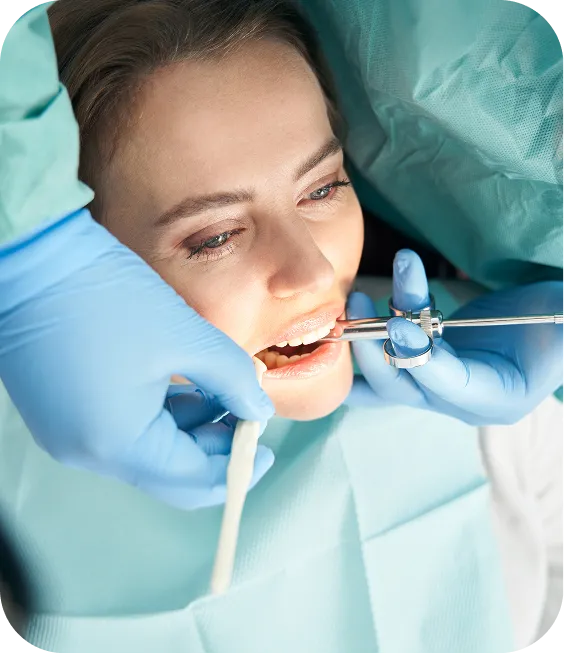
Causes and Types of TMD
TMD can develop for several reasons. Chronic grinding or clenching (bruxism) is one of the most common contributors. Other causes include jaw misalignment, arthritis, trauma, or stress-related muscle tension.
TMD cases typically fall into three categories:

Muscle-related TMD
Pain or tension in the jaw muscles.
Joint-related TMD
Issues with the joint alignment or function.
Arthritic TMD
Degenerative changes within the jaw joint.
Treatment Options for TMD
The treatment depends on the severity of your symptoms and the underlying cause. Mild to moderate TMD may be managed with:
Muscle relaxant medications or non-steroidal anti-inflammatory (NSAIDs);
Warm or cold compresses applied to the area
Using biofeedback or stress-reduction techniques
wearing a custom night guard to minimize the effects of teeth grinding
Clenching and protecting the temporomandibular joint (TMJ).
If a more serious problem is causing your discomfort, such as a dislocated jaw or severe misalignment of the jaw, or you are experiencing advanced arthritis. In that case, a surgical procedure may be required. Many surgeries on the jaw can now be done using arthroscopic techniques, which allow for a less invasive procedure, faster recovery time and less scarring.

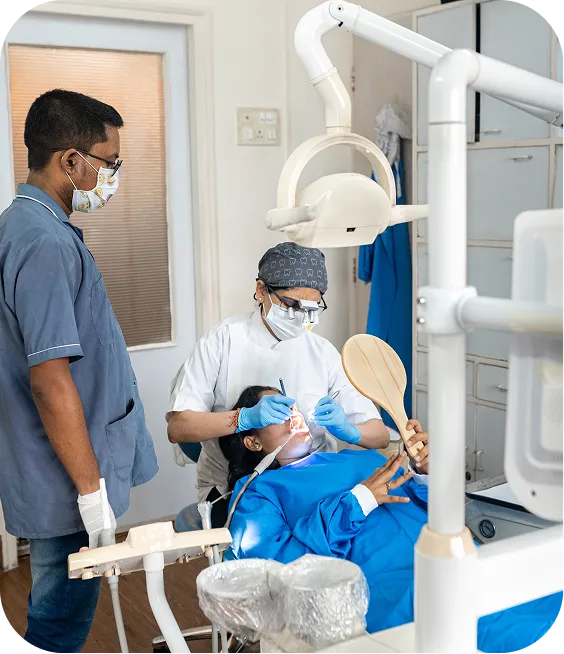
Why Early Treatment Matters
Untreated TMD/TMJ near you can worsen over time, leading to chronic pain, difficulty chewing, increased tooth wear, or long-term joint dysfunction. Evaluating TMJ/TMD as soon as possible will promote timely treatment and prevent additional complications.
Expert Care for TMJ/TMD in Gaithersburg.
A professional will provide insight, clarity, and relief from additional symptoms, including jaw pain/clicking, headaches, and/or discomfort while chewing.

See Why Gaithersburg Loves Our Care
See why patients choose us for five-star dentistry in Gaithersburg, where your comfort, care, and experience are always our top priority.


Aesthetic Family Dental has been my dentist for over a year and the service they provide is top tier. Front desk concierge is very polite, patient and very accommodating. To sum up the Docs review(both of them), I feel asleep during my appointment and I got a root canal. With that being said they do a VERY great job with their patients. Need a Dentist? This is where you want to come. Stay blessed
— William Crest

I would come here even if I didn't need to. The staff is amazing sweet and caring but also very knowledgeable and know what they are doing. I never had wait for very long but the office and schedule was always full. The dentist are almost magical and extremely talented. My case was not easy and I had seen dozen or so dentist prior to coming here and was let down by all of them. The dentist here are understanding, considerate and very patient. My issues were difficult to talk about and even more difficult to show and they were very considerate of that at every stage. Amazing place everyone should come here. Thank you to all the staff and dentist your guys are amazing.
— Jennifer harbison

This practice is truly a family! I have been attending this practice for years and can say I love it. Dr Noor is outstanding at his job along with the rest of the staff.
— Leahso

I have been coming here for over 10 years and have been pleased with the service. Recently got a rootcanal done and it has been great.
—Jessica


FAQ'S

TMJ/TMD refers to disorders affecting the jaw joints and surrounding muscles that control jaw movement.
Symptoms may include jaw pain, headaches, clicking sounds, facial soreness, and difficulty chewing.
Yes, many TMJ/TMD cases can be managed with non-surgical treatments like nightguards and therapy.
Teeth grinding and jaw clenching can place extra stress on the jaw joints and contribute to TMJ discomfort.


.svg)
.svg)
.svg)
